The Muse — Elizabeth Taylor
Elizabeth Taylor was not merely a screen legend — she was a cultural phenomenon. Emerging in Hollywood’s Golden Age and evolving through the studio system’s most opulent decades, she embodied the shift from restrained post-war elegance to unapologetic, high-octane glamour.
Born on February 27, 1932 — a true Pisces — Taylor’s life reflected the emotional intensity and artistic magnetism associated with the sign. Her presence was luminous and deliberate; her image carefully constructed yet deeply expressive.
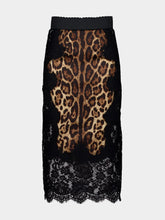
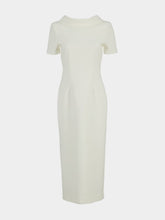
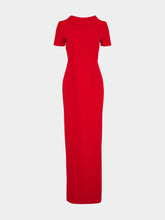
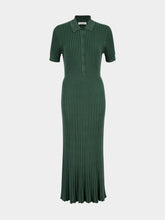
Her style was never accidental. Structured bodices emphasized the waist, echoing the hourglass silhouette introduced by Christian Dior’s 1947 New Look, while straight necklines framed the décolletage with classical precision. Pencil skirts sculpted the figure with quiet authority, reinforcing a sense of control beneath the glamour. Even when she embraced softness — in lace or silk slip dresses — there was always an architectural clarity anchoring the look.
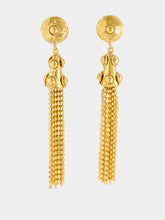
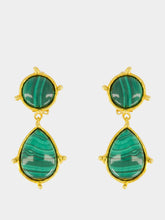
Jewellery became central to her identity. Taylor transformed diamonds into narrative, wearing extraordinary stones not simply as adornment but as extensions of memory, romance, and personal mythology. Whether on screen in films such as Cleopatra or in her private life, her jewels carried emotional weight. In this interplay of vulnerability and spectacle, intimacy and grandeur, she embodied a distinctly Piscean duality.
Her aesthetic sits at the intersection of Old Hollywood theatricality and what would later define a confident, emotionally expressive American glamour — one that understood fashion not just as decoration, but as storytelling.